
Timeless or trendy? The best way to do interior decorating
- By Victoria Campbell
- •
- 25 Oct, 2016
- •
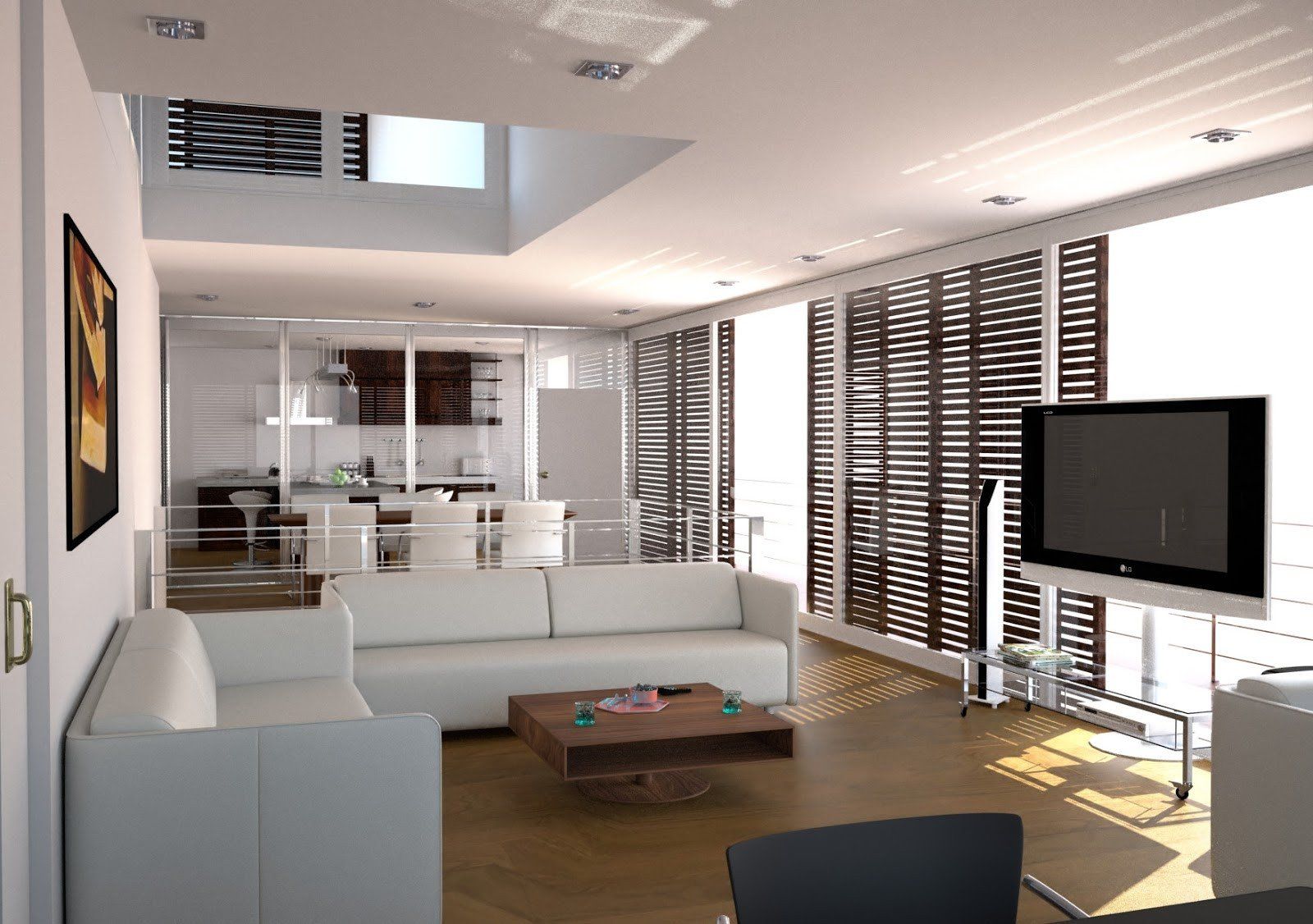
Interior decorating trends come and go rapidly. For the homeowner trying to keep the home looking nice and also trendy, it can seem impossible when things go out of style so quickly. Here are just a few examples.
There are others but you can see how quickly trends change on you. If you remodeled within the last few years to make your home appear more modern, you may be alarmed to learn that your home is already outdated again. What should you do? That depends on your plans.
Will you move soon?
You want your home to be modern and trendy when you place it on the market since that’s going to make it easier to sell. If you plan on moving in the next few years but want to do some remodeling now, it’s worth considering projects that may not be of a lot of interest to you since they’ll earn you a better return on your investment. If there’s little chance of moving in the near future, you can feel more confident in selecting home improvement projects that are right for your family without worrying too much about what’s currently trendy since the trends are sure to change again before you move.
Select timeless styles
While there is nothing wrong with striving for a home design that’s trendy. Don’t overdo it. If you go all out trying to keep up with all the trends, you’ll find that you’re redecorating and remodeling almost constantly and spending a fortune to stay caught up. Keep in mind timeless styles and interior decorating principles and your home can last many years without appearing outdated even if it isn’t 100% caught up with all the latest trends.
Interior Decorating and Remodeling News Brought to You by ezsnapbaseboardheatercovers .com
Source: southbendtribune .com/life/at_home/are-your-home-decorating-ideas-trendy-or-not/article_c99e1657-6516-51c2-87d0-278a68ed6817.html
- White or gray walls. Just a few years ago, tans and beiges were all the rage for neutral paint colors. Now it’s whites and grays. It’s all about creating that light and airy atmosphere. The popular dark color is navy blue and you’ll usually only see it as an accent color to white or gray walls.
- Formal living rooms. Not long ago, a formal living room was a must for a lot of home buyers. Now, more and more people are working from home and prefer the space be used for a home office rather than for formal dining. Another option is a multipurpose room.
- Chrome finish. While it’s still popular in the bathroom, homeowners have gone away from using chrome finish throughout the rest of the house. Now warmer metals like gold and bronze are the preferred choice when it comes to light fixtures and accent pieces.
- Granite countertops. Just a year or two ago, everyone who’s anyone had granite countertops in the kitchen. But now, a short time later, quartz and marble are the go-to choice for kitchen countertops.
There are others but you can see how quickly trends change on you. If you remodeled within the last few years to make your home appear more modern, you may be alarmed to learn that your home is already outdated again. What should you do? That depends on your plans.
Will you move soon?
You want your home to be modern and trendy when you place it on the market since that’s going to make it easier to sell. If you plan on moving in the next few years but want to do some remodeling now, it’s worth considering projects that may not be of a lot of interest to you since they’ll earn you a better return on your investment. If there’s little chance of moving in the near future, you can feel more confident in selecting home improvement projects that are right for your family without worrying too much about what’s currently trendy since the trends are sure to change again before you move.
Select timeless styles
While there is nothing wrong with striving for a home design that’s trendy. Don’t overdo it. If you go all out trying to keep up with all the trends, you’ll find that you’re redecorating and remodeling almost constantly and spending a fortune to stay caught up. Keep in mind timeless styles and interior decorating principles and your home can last many years without appearing outdated even if it isn’t 100% caught up with all the latest trends.
Interior Decorating and Remodeling News Brought to You by ezsnapbaseboardheatercovers .com
Source: southbendtribune .com/life/at_home/are-your-home-decorating-ideas-trendy-or-not/article_c99e1657-6516-51c2-87d0-278a68ed6817.html

The decision to remodel your home is probably the second-most important decision you’ll make as a homeowner after the decision to purchase a home in the first place. A remodel is an important investment and if you don’t make decisions regarding it carefully, you can end up not getting much out of that investment. Here are six things you need to do before you remodel.
Think about style
Homes come in a wide variety of styles. If your home has a purity of style—if it pretty much has all the architectural details of a given style, then it’s pretty easy to tell what style your home is. There’s colonials, Victorians, mid-century ranches, and Cape Cod cottages to name just a few. Many modern homes mix architectural features from different styles and are harder to define. Some terms you’ll often hear are traditional, transitional, or contemporary. It’s important to figure out your home’s dominant style before you begin a remodel. Look at your home from a distance, perhaps from across the street, and look at its shape and size as well as the pitch of the roof and the placement of the windows. Now you’re ready to decide if you want to work with the existing style of your home or change it all together.
Think about functionality
Your remodeled home doesn’t just need to look beautiful, it needs to meet the needs of everyone living in it. Evaluate your family’s current and future needs. In what ways is your home meeting those needs? In what ways does it fall short? For some homeowners, it’s easy to tell exactly when their home needs. Others know it’s lacking something but they don’t know what. Before you start remodeling, you need to get a good sense of how your home needs to change to make it more functional.
Have a very detailed plan
Most remodeling horror stories originate from a lack of planning. If you want your remodel to go smoothly, you need to have a master plan for the entire project that specifies everything down to the tiniest detail so that nothing is left to chance. Your vision for your home should be drawn up to scale so that remodelers can’t possibly go wrong if they just follow the plans.
Set a budget
You should also have a set budget to go along with that master plan. The contractor should provide a detailed list of all the materials needed and an estimated timeline for the project. From this information, you should be able to create a fairly accurate budget. The estimated cost needs to be reasonable so don’t estimate for the best case scenario. In fact, you should assume the worst and then add another 15% more than you think it’s going to cost just to be safe. You don’t want to run out of funds mid-project. If your plans don’t fit within your budget, change your plans, don’t go in just thinking everything will magically work out.
Think smarter, not bigger
When your family has outgrown the home, you may be tempted to build an addition onto your home. This is the nuclear option for home remodeling and it tends to be a poor investment. Instead of thinking bigger, think how the existing square footage can be used most effectively so you’re getting as much as possible out of the space you have rather than spending a fortune for a little more space.
Carefully select a contractor
The success or failure of any remodel largely falls on the quality of the general contractor. Don’t just hire the first one you come across and don’t automatically go with the lowest bid. Get several estimates and do your homework looking into each one. You need a contractor with many years of experience and a proven reputation in the area. You can check with local home improvement stores for good references and check with the Better Business Bureau as well.
Interior Decorating and Remodeling News Brought to You by ezsnapbaseboardheatercovers. com
Source: deseretnews. com/article/865662083/Five-basics-of-home-remodeling.html?pg=all
Think about style
Homes come in a wide variety of styles. If your home has a purity of style—if it pretty much has all the architectural details of a given style, then it’s pretty easy to tell what style your home is. There’s colonials, Victorians, mid-century ranches, and Cape Cod cottages to name just a few. Many modern homes mix architectural features from different styles and are harder to define. Some terms you’ll often hear are traditional, transitional, or contemporary. It’s important to figure out your home’s dominant style before you begin a remodel. Look at your home from a distance, perhaps from across the street, and look at its shape and size as well as the pitch of the roof and the placement of the windows. Now you’re ready to decide if you want to work with the existing style of your home or change it all together.
Think about functionality
Your remodeled home doesn’t just need to look beautiful, it needs to meet the needs of everyone living in it. Evaluate your family’s current and future needs. In what ways is your home meeting those needs? In what ways does it fall short? For some homeowners, it’s easy to tell exactly when their home needs. Others know it’s lacking something but they don’t know what. Before you start remodeling, you need to get a good sense of how your home needs to change to make it more functional.
Have a very detailed plan
Most remodeling horror stories originate from a lack of planning. If you want your remodel to go smoothly, you need to have a master plan for the entire project that specifies everything down to the tiniest detail so that nothing is left to chance. Your vision for your home should be drawn up to scale so that remodelers can’t possibly go wrong if they just follow the plans.
Set a budget
You should also have a set budget to go along with that master plan. The contractor should provide a detailed list of all the materials needed and an estimated timeline for the project. From this information, you should be able to create a fairly accurate budget. The estimated cost needs to be reasonable so don’t estimate for the best case scenario. In fact, you should assume the worst and then add another 15% more than you think it’s going to cost just to be safe. You don’t want to run out of funds mid-project. If your plans don’t fit within your budget, change your plans, don’t go in just thinking everything will magically work out.
Think smarter, not bigger
When your family has outgrown the home, you may be tempted to build an addition onto your home. This is the nuclear option for home remodeling and it tends to be a poor investment. Instead of thinking bigger, think how the existing square footage can be used most effectively so you’re getting as much as possible out of the space you have rather than spending a fortune for a little more space.
Carefully select a contractor
The success or failure of any remodel largely falls on the quality of the general contractor. Don’t just hire the first one you come across and don’t automatically go with the lowest bid. Get several estimates and do your homework looking into each one. You need a contractor with many years of experience and a proven reputation in the area. You can check with local home improvement stores for good references and check with the Better Business Bureau as well.
Interior Decorating and Remodeling News Brought to You by ezsnapbaseboardheatercovers. com
Source: deseretnews. com/article/865662083/Five-basics-of-home-remodeling.html?pg=all
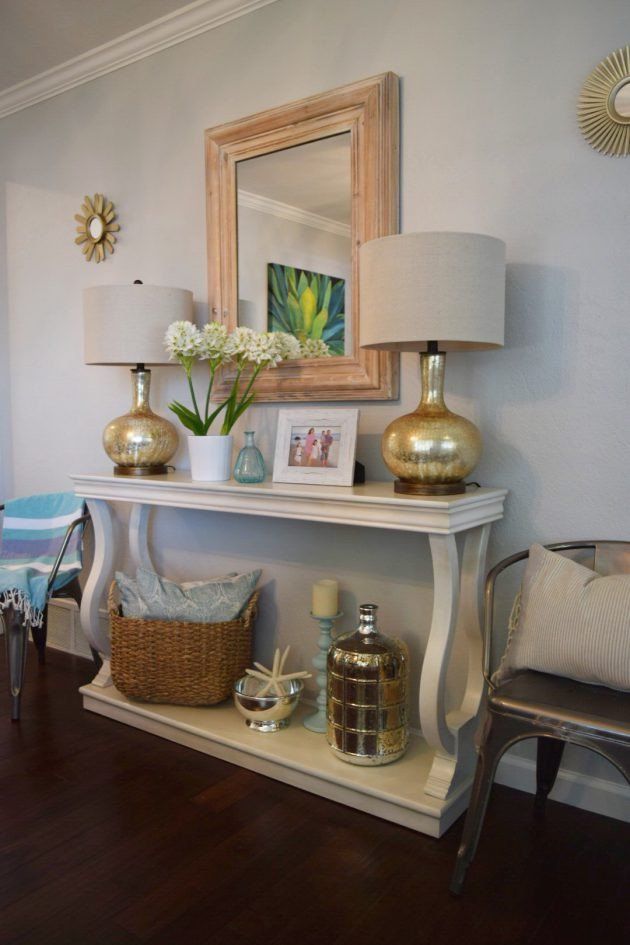
Most people think of mirrors as being functional pieces only, something to be put in the bathroom or above a vanity where it will be used for applying makeup or attending to grooming tasks. But mirrors can be so much more than just functional, they can be decorative pieces in their own right. Here are some tips for incorporating mirrors into your interior design.
Interior Decorating and Remodeling News Brought to You by ezsnapbaseboardheatercovers .com
Source: dnj .com/story/life/2016/09/03/mirrors-mirrors-walls/89734152/
- A mirror in every room. Start by getting rid of the notion that mirrors are only for bathrooms and bedrooms. Mirrors can go anywhere. You don’t necessarily have to have one in every room but it doesn’t hurt.
- Choose mirrors with character. A mirror can be so much more than a rectangular piece of reflective glass in a frame. There are circular mirrors and oval mirrors, and square mirrors. There are mirrors with rounded tops and mirrors with grid lines. Frames can come in many colors and styles. When selecting mirrors, don’t just choose any old one, choose ones that will add character to the space you’re decorating.
- Choose mirrors that complement the furniture. This is especially important if you’re selecting a mirror to hang above a specific piece of furniture. Remember, complement is not the same thing as match. Complement simply means that the two pieces go together, they don’t have to look the same, use the same materials, or have the same colors.
- Consider the scale. The mirror needs to be just the right size for the space. Entryway mirrors are usually taller. A mirror shouldn’t be larger than the piece of furniture you’re pairing it with nor should it be so small that it’s dwarfed in comparison.
- Use mirrors in place of artwork. A nice mirror in a decorative frame can take the place of a large piece of art and it’s usually a lot less expensive. If you’re struggling to find just the right piece to go above the sofa or headboard, the answer just might be a nice mirror.
- Be strategic with placement. When placed directly across from windows, mirrors can reflect the light from outside to make the room brighter and more airy. This is especially good for smaller spaces since it will help the room to appear larger.
- Pair a mirror with sconces. A nice decorative mirror with a sconce on either side is a great grouping to go above a sofa. If you really want to get fancy, you can use flicker flame light bulbs in the sconces to simulate the look of candles.
- Use mirrors in other creative ways. Mirrors don’t have to be displayed on walls. You can use small mirrors to go beneath a centerpiece or candle holder on an end table.
Interior Decorating and Remodeling News Brought to You by ezsnapbaseboardheatercovers .com
Source: dnj .com/story/life/2016/09/03/mirrors-mirrors-walls/89734152/
Thanks to Pinterest and television networks like DIY and HGTV, the do-it-yourself culture is very much alive and well. DIY remodeling and interior decorating can be a great way to save some money and it gives you the satisfaction of knowing that your beautiful home is solely the result of your hard work. But DIY isn’t right for everyone and it certainly isn’t right for all situations. So before you get carried away with your next DIY project, here are seven questions to ask yourself first.
How complex is your project?
Start by doing research—a lot of research to be sure that you fully understand the size and scope of the project you want to undertake. Use a variety of sources to gather your information and take careful notes. Understand what kind of expertise is required and think about whether you’d need to bring in subcontractors to do some of the work. Once you have an understanding of how complex the project is, you can have a better idea of whether it’s worth doing yourself.
Are there risks involved?
Repainting an old table to make it new again won’t harm your family, unless you’ve somehow managed to find lead-based paint from the early 70s. But attempting to reroute electrical, plumbing or gas lines or disturbing the structural integrity of your home can have dire consequences. If the job requires a permit or license, that’s a good sign you shouldn’t be doing it yourself, unless you happen to have that license. Never do a project that will risk you or your family’s safety.
Do you have the necessary experience and equipment?
It’s admirable to attempt a project yourself to save some money, but if you have no idea what you’re doing, you may want to reconsider. If a job will require expertise or special equipment that you don’t have, then you either need to invest some time and money in acquiring the necessary knowledge and equipment or else spend that money on a professional who already has it. If you go in without experience and the proper tools, chances are you’ll end up needing to bring in professional help anyways and you’ll end up wasting time and money.
What are your expectations of the project’s outcome?
If you want absolutely flawless results like you’ve seen in pictures you’ve found online, you may want to confront the reality that you may not achieve similar results if you do it yourself. Are you OK with results that are less than perfect so long as you achieve the satisfaction of knowing you did it yourself? If the answer is no, then plan on spending the money to hire a pro.
Are you okay redoing the project if you have to?
If you’re a person that really admires the process, perhaps even more so than the end result, you may be willing to redo a project if you don’t get the results you want. But if you really want it done right the first time then maybe a DIY project isn’t the answer.
Is it worth your time to do it?
Remember that time is also money. You should place a value on your time and have some realistic expectations going in about how much time it will take you to do the project yourself. Then get estimates from a remodeler or interior designer. Then you can ask yourself whether you’d rather have the time or the money.
Are you going to enjoy the process?
If you’re someone who hates the process and just wants the end result, then you may want to reconsider your DIY plan even if it has the potential to save you some money and you’re confident in your abilities. Sometimes it’s just worth avoiding the stress by letting someone else come in and do the work.
Interior Decorating and Remodeling News Brought to You by ezsnapbaseboardheatercovers .com
Source: curbed .com/2016/8/18/12522248/diy-interior-design-tips-questions
How complex is your project?
Start by doing research—a lot of research to be sure that you fully understand the size and scope of the project you want to undertake. Use a variety of sources to gather your information and take careful notes. Understand what kind of expertise is required and think about whether you’d need to bring in subcontractors to do some of the work. Once you have an understanding of how complex the project is, you can have a better idea of whether it’s worth doing yourself.
Are there risks involved?
Repainting an old table to make it new again won’t harm your family, unless you’ve somehow managed to find lead-based paint from the early 70s. But attempting to reroute electrical, plumbing or gas lines or disturbing the structural integrity of your home can have dire consequences. If the job requires a permit or license, that’s a good sign you shouldn’t be doing it yourself, unless you happen to have that license. Never do a project that will risk you or your family’s safety.
Do you have the necessary experience and equipment?
It’s admirable to attempt a project yourself to save some money, but if you have no idea what you’re doing, you may want to reconsider. If a job will require expertise or special equipment that you don’t have, then you either need to invest some time and money in acquiring the necessary knowledge and equipment or else spend that money on a professional who already has it. If you go in without experience and the proper tools, chances are you’ll end up needing to bring in professional help anyways and you’ll end up wasting time and money.
What are your expectations of the project’s outcome?
If you want absolutely flawless results like you’ve seen in pictures you’ve found online, you may want to confront the reality that you may not achieve similar results if you do it yourself. Are you OK with results that are less than perfect so long as you achieve the satisfaction of knowing you did it yourself? If the answer is no, then plan on spending the money to hire a pro.
Are you okay redoing the project if you have to?
If you’re a person that really admires the process, perhaps even more so than the end result, you may be willing to redo a project if you don’t get the results you want. But if you really want it done right the first time then maybe a DIY project isn’t the answer.
Is it worth your time to do it?
Remember that time is also money. You should place a value on your time and have some realistic expectations going in about how much time it will take you to do the project yourself. Then get estimates from a remodeler or interior designer. Then you can ask yourself whether you’d rather have the time or the money.
Are you going to enjoy the process?
If you’re someone who hates the process and just wants the end result, then you may want to reconsider your DIY plan even if it has the potential to save you some money and you’re confident in your abilities. Sometimes it’s just worth avoiding the stress by letting someone else come in and do the work.
Interior Decorating and Remodeling News Brought to You by ezsnapbaseboardheatercovers .com
Source: curbed .com/2016/8/18/12522248/diy-interior-design-tips-questions
